


Based at the Curtin University enAble Institute, our research and innovation are led by Experience in three, fundamental ways:
We are led by the lived experience of people who have faced, or are facing, challenges to their mental health.
We are led by our experienced and diverse team of interdisciplinary researchers, collaborators, practitioners and partners.
We are all led by experience. We assume that when people can reach and maintain the experiences they want, they are living a healthy, fulfilling life.

Innovation, Research & Implementation
At LEx, we develop and test innovative and diverse ways to support people to live the life they want by addressing mental health challenges. In particular, we follow the priorities of people with diverse, unmet mental health needs across the spectrum of severity and complexity, and we innovate methods that are co-designed, theory-driven, evidenced-based, and globally scalable. We can produce a fully integrated approach because we follow universal unmet needs and use a universal theory - perceptual control theory - to design and test our innovations.

So how do we work at LEx?
Lived Experience Research
Our work is led by the needs of our stakeholders - and in particular people with lived and living experience of mental health challenges. We aim to help improve outcomes that are meaningful to people in their own lives. We work with co-investigators who have lived experience, and our interventions are co-designed.
Theory, Model and Process Testing
We design a range of studies that test the theory we use – perceptual control theory, and the models that it generates. We also develop ways to measure the process of change, how it is harnessed by our interventions, and related to outcomes. A key strand of this work is to build and test computer models against real-world data
Codesign
We work alongside those with lived experience of mental health challenges to develop, refine and adapt our interventions
Intervention Testing
We test our interventions through a cascade of pilot work, case series, feasibility trials and randomised controlled trials. We interview our users to find out if we meet their needs and how we can make further improvements.
Implementation
We offer training in person and online, and work closely with our service partners to embed our work into everyday life.
Feedback all the way
We are all ‘work in progress’ and this applies as much to each of us as it does to science. We actively seek feedback at every stage of our work.
Meet the Team

LEx is directed by Warren Mansell, and supported by a team of researchers and people with a lived experience of mental health challenges. Prof Mansell also supervises Masters and Honours students, along with recent alumni, whose work supports the team:
-
MYLO: Greg Tsukilis, Alex Cummins, Ash Jenkins, Tony Pham, Ollie Renton, Juliana Huang
-
Discovery Talk: Omar Khaliqy, Claire Aldridge & James Ong
-
Dynamic Catalysts: Quinn Harper, Nicola Daff
-
Consciousness: Louis Trouchet, Ravini Coorey

Director
Professor Warren Mansell
Warren is the Director of the LEx Mental Health Research Group and Professor of Mental Health at Curtin University. He grew up in the small countryside town of Biggin Hill in the UK, where he developed a love of nature and science. An academic at heart, he gained a first class degree at University of Cambridge and a PhD at Oxford, before training as a clinical psychologist at Kings College, London. He spent most of his research career at University of Manchester, authoring over 200 peer-reviewed publications, including therapy manuals, edited handbooks and popular science books. At Curtin University since 2022, he uses the scientific approach known as perceptual control theory (PCT) to develop and test universal and scalable mental health interventions.


Research Fellow
Dr Amy Mowle
Amy is Research Fellow with the LEx mental health research group. After completing her PhD in Melbourne (2022), she recently returned to Western Australia following more than a decade in Victoria. With a background in sociology, her work reflects a dedication to understanding and addressing complex social problems, with publications spanning across disciplines such as public health, digital sociology, and community action research. Amy brings to the team a systems-informed perspective and a commitment to research that is genuinely co-designed with community – driven by equal parts rigour and curiosity.

Research Fellow
Dr Isabeau Tindall
Isabeau is a previous member of LEx who led the development of Dynamic Catalysts and the Discovery Talk research protocol.

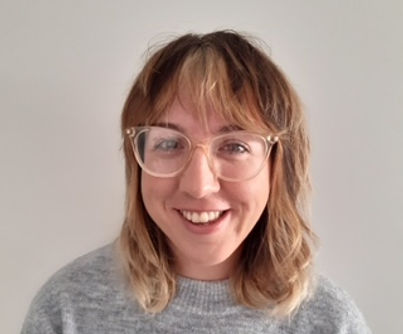
Research Associate
Dr Aimee Wrightson-Hester
Aimee is a previous member of LEx who spearheaded the research and development of MYLO.

PhD Candidate
Catarina Castela
Catarina is a PhD candidate at Curtin University. She was born in Portugal and moved to Australia at a young age. Since then, she has lived all over Australia and in several countries, such as Macau and Dubai, UAE. Finding a passion for art early in life, she began her career as a graphic artist/designer while living on the Gold Coast, QLD. She has over 20 years of experience working as an in-house designer, freelancer, team leader and art director with several national organisations, brands and international companies such as Nakheel on projects including The Palm and World Islands in Dubai. Catarina has experience working in the tertiary education sector since 2008, developing accredited curricula, training packages, and resource materials and delivering lectures in fine art, digital illustration, graphic design, brand development, marketing and advertising. In 2016, she completed her master's degree at Curtin University, focused on neuroaesthetics and understanding the nature of the cognitive and psychological underpinnings of aesthetic preference. Catarina’s PhD is grounded in lived experience and focuses on using art to monitor mood fluctuations in bipolar disorder and facilitate intuitive symptom management to optimise treatment outcomes and map key turning points on the recovery journey.

MRes Candidate
Quinn Harper
Quinn is currently completing a Master of Research with LEx under the Dynamic Catalysts research program, and is not used to writing in third person.
Their journey with looking for the structures underlying everyday life started at 18 months old. While other toddlers were preoccupied with more useful tasks such as learning to walk, Quinn was crawling out to the back verandah every day to reorganise all the shoes left by their 6-person family, trying to find what combination of size, colour, user, and type may be the most superior system.
Today, and many trials and tribulations later, Quinn continues this tradition through qualitative research. Specifically, they developed a new, holistic, explanatory, transdiagnostic, international (etc etc etc) model of mental health recovery in 2025, and their current research efforts under LEx are centred on further expanding and validating this model.
Quinn is proudly neurodivergent, has a mildly complicated relationship with gender, and frequently engages in bouldering, yoga, meditation, singing, writing, philosophy, and floor time. They love learning about train networks, astrophysics, palaeoanthropology, the human condition, and whatever the person standing in front of them is passionate about.

PhD Candidate
Michael Landman
Born and raised in sunny Perth, Western Australia, Michael (Mike) has lived a delightfully privileged childhood and early adulthood. Coming from a lively household of three brothers, Mike is constantly looking for opportunities to augment productive professional contexts with humour. Professionally, Michael is enamoured by Perceptual Control Theory (PCT) and the effective application of PCT that emerges from a deep understanding of its theoretical tenants. This interest is accompanied by an affinity for innovating novel methodologies that marry PCT with parallel reservoirs of scientific knowledge. Currently, this involves understanding the patterns of pupil dilation during therapeutic dialogue (the Method of Levels). Michael has also championed the development of a virtual reality experience designed to measure an aspect of human consciousness from the perspective of the observer. Michael aspires to balance an appreciation for theoretical nuance, whilst adhering to the pragmatic limitations of developing solutions to real-world problems. Convinced that solutions to such problems transcend disciplinary boundaries (especially psychological problems), Michael’s PhD candidature in Psychology serves as a platform from which to conduct future interdisciplinary research on psychological problems – theoretical & applied.

Adjunct Professor of Clinical Psychology
Masaru Kinetsuki
Professor Kanetsuki is a clinical psychologist in cognitive behavioral therapy. Over the last decade, he became interested in developing more effective mental health interventions based on perceptual control theory, influenced by the works of Professor Mansell.
During his stay in Perth, he has examined the process of cultural adaptation among Japanese international students in Western Australia. Potentially, the process of cultural adaptation and the process of mental health recovery share a common mechanism - the awareness and reorganisation of goal conflicts.
Professor Kinetsuki is also working on translating and adapting the research and interventions of the LEx group for Japan, such as 4Ds.

Adjunct Professor of Clinical Psychology
Prof Mehdi Zemestani
Professor Mehdi works on transdiagnostic factors—such as emotion regulation, intolerance of uncertainty, experiential avoidance, and repetitive negative thinking—which underlie a wide range of mental health conditions. His research aims to refine and enhance psychological interventions by integrating these shared mechanisms into more effective and flexible treatment models. He also explores the cultural adaptation of psychological processes and interventions within the Iranian context. Prof Zemestani has been actively involved in translating, validating, and culturally adapting the Reorganisation of Conflict Scale (RoC) and interventions such as Method of Levels Therapy. He has also conducted research on transdiagnostic mechanisms of psychopathology among adolescents with problematic smartphone use, addressing emerging mental health challenges in the digital age.
_edited.jpg)
Assistant Professor, Air University, Islamabad
Dr Mueen Abid
Mueen Abid's expertise includes implementation of psychosocial interventions, adolescent well-being, family-centered prevention, and systematic reviews. She has led and collaborated on international projects funded by the Higher Education Commission of Pakistan and the Royal Society of Tropical Medicine and Hygiene (RSTMH). Currently, she is working on the cultural adaptation of Method of Levels Therapy and the Take Control Course to strengthen family systems and improve adolescent mental health outcomes in Pakistan and beyond.
Our Lived Experience
Codesigners & Co-Investigators
Our work is guided by the ideas and contributions of a variety of stakeholders, many of whom have lived, or living, experience of mental health challenges. Here are some of our most valued contributors.

Jamie Neal
Jamie has a lived experience of an eating disorder, C-PTSD, ADHD, parasuicide and Fibromyalgia. She holds a BA in Creative Advertising and Graphic Design from Curtin University and a Postgraduate Certificate in Psychological Science.
As a lead researcher with Curtin's enAble Institute, Jamie was a recipient of the inaugural IgnitED grant and was recently published in the Journal for Eating Disorders. She was invited to speak on the IgnitED Panel at the opening of the Australian Eating Disorders Research and Translation Centre (AEDRTC).
Currently, Jamie is a Consumer Co-Lead on multiple research projects and works as a Peer Practitioner at the St. James Transitional Care Unit. She is a member of several advisory groups, including AEDRTC's Lived Experience and Co-Production Advisory Group, Curtin University Mental Health Research Consumer Advisory Group, The Mental Health Commission's (MHC) Suicide Aftercare Working Group, and the MHC's Eating Disorder Network Steering Committee. Additionally, she represented WAPHA as a delegate at the MHLEEN 2023 leadership conference.
Jamie is honoured to be involved with 'LEx Group' and is proud to have contributed work as a graphic designer, voice-over artist and consumer representative.

G Anderson
G Anderson is a Lived Experience mental health, disability and LGBTIQA+ advocate, consultant and researcher.
They have a lived experience of complex trauma, suicide, chronic illness and homelessness.
G was the Consumer Advisor on the Ministerial Taskforce into Public Mental Health Services for Infants, Children and Adolescents ages 0-18 in WA. They were responsible for articulating and advocating for the needs of all young people that access public mental health care.
They are a passionate advocate for a human rights and intersectionality based approach to mental health care, system reform and research.
Particular areas of focus in their advocacy include improving the experience of care for people, ensuring outcome measurements are individualised, holistic and with a focus on quality of life, equitable access to care that meets the individual persons needs, and meaningful engagement with people with lived experience in all aspects of service and system reform.
Since 2015, G has worked with several organisations across many projects, including North Metropolitan Youth Mental Health, Youth Focus, Child and Adolescent Health Service, Curtin University, Western Australian Association for Mental Health, Youth Affairs Council of WA, and Consumers of Mental Health WA.
They are knowledgeable in lived experience engagement practices and have been instrumental in ensuring lived experience expertise is central in the design, implementation and evaluation of projects and services.
G worked as a Lived Experience Researcher in the mental health domain of the Curtin enAble Institute. They contributed lived experience expertise to research activities and undertook lived experience and stakeholder engagement activities.
G was a Co-Investigator on the Managing your life online (MYLO) project, and the Dynamic Catalysts project.
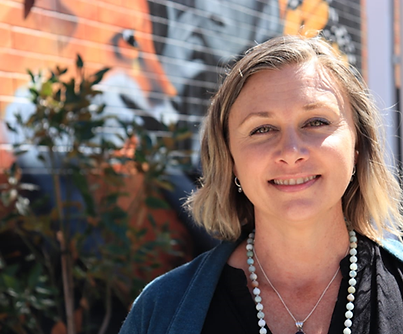
Kathy Greenwood
Mental Health and Wellbeing Advocate
Kathy has worked in various lived experience roles across the mental health sector for almost 20 years. She has personally been through a lot of adversity in her life, which guides a great deal of her interpersonal work with others. She has been employed within clinical and community-based settings to develop peer programs and bring the lived experience perspective to treatment/support teams. She has contributed in many ways to independent advocacy, mental health system reform and the development of lived experience resources, training pathways and employment possibilities. Kathy aims to amplify the voice of lived experience within our communities by training, mentoring, and supporting people to build confidence and skills related to having mental health challenges. She contributes to sector capacity building through collaboration with clinicians and researchers, lending her personal reflections on trauma and what helps healing. She has been very involved in the Dynamic Catalysts project and has found the process both intriguing and helpful, particularly the mapping of experiences which she says brought deep insight and a sense of self compassion. She is excited to see what comes from this project as it moves forward.

Our Interventions

MYLO (now Monti)
Our award-winning smartphone-based mental health chatbot that helps the user to explore their problems in more depth and detail to come to a resolution. We have a large interdisciplinary research, development and commercialisation team who are working on the next steps for this unique innovation in an era that AI chatbots are part of everyday life.
See here for our dedicated website, and here for our Curtinnovation Health Sciences Award 2023 video. This article in The West Australian provides an update on the Monti project going forwards.

4Ds for Dealing with Distress
A 90-minute comprehensive, interactive and experiential workplace stress management webinar. Attendees go at their own pace and select the balance of short and long term approaches to stress that work for their problems. We are currently working on delivering and researching 4Ds in Japanese.
See here for the article describing the science and practice of 4Ds, and here for our online guide published by Psyche.

The Take Control Course
A group intervention for people to grasp the key principles of mental health and wellbeing and apply them in their everyday life. We are currently working on adapting the TCC for Pakistan.
See this article for the latest research on the course.

Dynamic Catalysts
An analysis of the biopsychosocial factors that a person can draw upon to support them at any stage in their mental health recovery. The starting point of this analysis is the detailed accounts of turning points of recovery by those with diverse mental health challenges. The end point is a universal, accessible system that provides a choice of catalysts tailored to the individual at that moment in time. We have a lay summary produced and a pre-print in submission.
Discovery Talk
A way for a speaker to talk to a listener about a current problem that helps them to explore it in more depth and detail to come to a resolution. Anyone can begin to learn Discovery Talk and apply it in their everyday life. We have a case series with its write-up nearing completion.


Current Research

We are working on a number of research projects that underpin the science of our interventions

Consciousness
Our conscious mind is the arena where we make new meanings of our experience and learn new perceptions of ourselves and the world. We research a model of consciousness based on perceptual control theory, bringing together work on fringe consciousness, information integration and instinctive curiosity. Professor Mansell describes the model in this video. See here for our latest published research
_JPG.jpg)
Virtual Reality
Virtual Reality has been around for many decades, but only now are its unique properties being tapped for research and intervention. We are exploring the use of VR to generate 'unreal' environments that help clarify concepts such as free will and presence, and that allow the user to control features of their environment that would be impossible in real life, as a stepping stone to facing fears and phobias. See here for our latest published research.

Expressivity & Recovery
We are researching the benefits of the expression of one's experiences, in all its many forms, including journaling, free writing, expressive writing, autobiographies, and the visual arts. How fundamental is expression to recovery from a mental health challenge?
Current Publications
Toward an integrative perspective of personalised stress regulation: insights from perceptual control theory
Development of a tool for assessing awareness of consequences of suicide
Suicide prevention psychosocial interventions for youth in low- and middle-income countries: systematic review
How can virtual reality help to understand consciousness? A thematic analysis of students’ experiences in a novel virtual environment
The prediction illusion: perceptual control mechanisms that fool the observer
The impact of audience dynamics on public speaking anxiety in virtual scenarios: An online survey.
Earlier
Publications
An Artificial Therapist (Manage Your Life Online) to Support the Mental Health of Youth: Co-Design and Case Series
An Integrative Control Theory Perspective on Consciousness
Advanced online publication at Psychological Review. Author accepted manuscript available here.
A brief transdiagnostic group (the take control course) compared to individual low-intensity CBT for depression and anxiety: a randomized non-inferiority trial
Recent Publications
A Rule-Based Conversational Agent for Mental Health and Well-Being in Young People: Formative Case Series During the Rise of Generative AI
One system, two paths: Unifying autonomic and behavioural thermoregulation via perceptual control
Suicide prevention psychosocial interventions for youth in low- and middle-income countries: systematic review
How can virtual reality help to understand consciousness? A thematic analysis of students’ experiences in a novel virtual environment
The prediction illusion: perceptual control mechanisms that fool the observer
The impact of audience dynamics on public speaking anxiety in virtual scenarios: An online survey.
Our Network
LEx is closely linked with a number of international networks. LEx takes a universal approach to mental health shared with the 'transdiagnostic' approach, and LEx is founded on the principles of perceptual control theory, a scientific framework supported by the IAPCT. Professor Mansell is collaborates with colleagues in the UK, using PCT to support Empowered Conversations, a communication training program for carers of people living with dementia, and a variety of innovations in mental health service design in collaboration with Professor Sara Tai, Dr Rob Griffiths, and Dr Vyv Huddy.
For a complete list of our collaborators and co-investigators, please click here.



Our Co-Investigators
We are working with a large multidisciplinary team of co-investigators on our research, and selection of our team have provided their details here.

Sarah Egan, Associate Professor, Curtin University
Transdiagnostic approaches to co-designed interventions to improve outcomes for young people across anxiety, depression and eating disorders.
Prof Egan collaborates on transdiagnostic approaches to improving mental health with the research group, for example, as a co-investigator of MYLO.

Melanie Johnston-Hollitt, Professor, Curtin University
Data Science, Machine Learning, and research software for digital health.
Professor Johnston-Hollitt is director of the Curtin Institute for Data Science and collaborates on the data science and research software development for digital interventions such as MYLO.

Wai Chen, Professor of Youth Mental Health and Developmental Neuropsychiatry, Fiona Stanley Hospital;
Curtin University
Neurodevelopmental disorders, emotion dysregulation, language and development, alexithymia, transdiagnostic and dimensional nosology research, social research, self-harm, gaming disorder, psychopharmacology.
Professor Chen collaborates on digital intervention, as a co-investigator of MYLO.

Daniel Rudaizky, Lecturer, Curtin University
Cognitive approaches to understanding emotions and behaviour.
Collaborating on understanding the mechanisms that contribute to effective fear reduction in specific phobias, and exploring these within a virtual reality environment.

Tauseef Gulrez, Adjunct Associate Professor, Curtin University
Dr Gulrez collaborates on development, assessment and comparison of PCT-based models with classical Machine Learning Models, in order to develop a novel Learning-Less AI paradigm. He also collaborates on developing computer mediated consciousness assessment experiments.

David Preece, Lecturer, Curtin University
Clinical psychologist. The understanding, assessment, and treatment of emotional disorders. Emotion regulation & alexithymia. Transdiagnostic approaches. Statistics.
Collaborating on surveys to establish core transdiagnostic processes.